Re-celling a fan’s old bank-terminal laptop: the original 6 × Samsung 2600mAh cells were badly unbalanced and dead, swapped for 2900mAh cells spot-welded with the handheld welder — no board lock, charging normal
An old bank mobile-terminal laptop (card reader, fingerprint) whose battery only showed 4% and would not climb. The creator had turned down re-cell requests before because “brand laptops lock the board when power is cut”, but this battery was already dead, so it was worth a try. Opening the pack: Samsung cells, total voltage looked normal, but per-group readings were 1.790V / 3.395V / 4.11V — left too long, badly unbalanced, scrap. New cells are 2900mAh (original 2600), internal resistance all around 19mΩ; the BMS has current sensing and will limit, so extra capacity would go unused anyway. With the new handheld welder (light) he tried gears 2 through 5 on nickel strip; the whole cell can is negative so no spacer is needed, the positive end gets insulating paper. Along the way: the layout shorts easily, the nickel strip is sharp, and with no jig it is awkward to handle — the three-cell junction was a struggle. Reinstalled, the laptop booted straight up, charge went 6% → 7%, and it did not lock the board after a power-off/on; he cleaned the old glue, checked balance (very consistent), fixed the temperature probe with 704 silicone, and rubber-banded it for a day while the glue cured. Later it showed 0% for an hour (suspected conflict with the BMS); he used the powercfg battery report to read the capacity history. A comment warned that re-celling may still need the battery-management chip (BMS) data reflashed.
Unboxing a ¥100-class handheld spot welder: 11 gears, manual / auto, Type-C charging; on gear 8 auto, welds on both 18650 and coin cells can’t be torn off, recommended for home use
Unboxing a ¥100-class mini handheld spot welder: in the box are the welding pen, a charging cable, a sheet of sandpaper and a pack of nickel strip. The body has 11 gears, a manual / auto indicator and a battery indicator; long-press to power on, button to change gear, long-press to switch mode; Type-C charging, arrived fully charged. Tested on an 18650 and a coin cell (which a soldering iron basically can’t solder): gear 8 auto mode, two welds first, then six, pulled and torn and they won’t come off — the strip tears instead; welds on the coin cell are round and solid. Verdict: for the modest volume of home use, worth recommending. In the comments the creator replies the strip thickness it can weld is 0.2; a top comment questions the built-in battery’s lifespan, saying a supercapacitor model would be better.
54 × 18650 cells in 3S18P for a 12.6V 36Ah outdoor power box: 220V inverter + wireless charging + USB + solar charging + thermostat-controlled fans
The creator takes 54 × 5C-discharge 18650 cells (about 16mΩ internal resistance; IR and voltage tested first, any 20mΩ cells swapped out) and loads them into snap-together triple holders for a 3S18P pack, 12.6V full and 36000mAh; fish paper on the positive ends against shorts. Spot-welded with double-layer nickel strip on the high-power AWithZ welder; midway the two pens touched and blew through the strip and one cell, so that cell was pulled and replaced. A 120A balancing BMS goes on, the main + and − are brought out with copper wire wrapped around and flooded with solder from the iron, then wrapped in fish paper and fibre tape. The box gets a bidirectional smart meter (with shunt), a 220V socket, power switch, 90W USB fast-charge module, wireless charging module, a CC/CV buck-boost charging module with 5–30V input (output set to 12.6/12.8V, about 5A, diode in series), a 600W / 1200W-peak pure sine wave inverter, two fans + three 40℃ thermostat switches in parallel (one each on the inverter heatsink, the BMS and the buck-boost module), and finally a carry handle. It can cook rice and run a hot pot, drive power tools, jump-charge an e-bike, and charge straight from any 5–30V charger or solar panel.
We only use essential cookies, plus one performance measurement you can turn off. Cookie Policy
EssentialSign-in, language, theme and similar; the site cannot work properly without them
Always on
FunctionalPlayback history and filter preferences, stored only in your browser
Always on
PerformanceAnonymously reports page load times so we can speed up the site; not linked to your account or shared with third parties
Official stores
Go to our official stores on third-party platforms
AWithZ · Product feedback & suggestions
Ran into a problem? Have an idea for improvement? Tell us. We read every piece of feedback carefully. Valid feedback earns points, redeemable for accessories / coupons.
Thanks for your feedback!
We'll review it within 1–5 business days. If you left an email, valid feedback earns points redeemable for accessories / coupons. If we need to follow up, we'll contact you at the email you left.
We'll review it and send the result to your inbox. Abusive reports may be restricted.
Before you browse
WeldWorld is an open platform for user sharing; content does not represent official advice.
Improper battery handling can cause fire, explosion, chemical burns and serious injury. Read the full AWithZ Safety & Usage Guidelines before any lithium battery assembly, spot welding or testing, and before using the community.
Community content is personal experience, not verified by AWithZ; where it conflicts with official documents, the official documents prevail.
Never apply someone else's settings directly; always start at a low level and test on scrap.
Before copying any procedure, go through the self-check list in Part 3 of the guidelines.
 Fixing a fan’s laptop battery that died in storageProjectsTechHang
 LV2
LV2

 LV1
LV1


 Unboxing and testing a small handheld spot welder — very practical and handyProjectsTaozi Unboxing
 LV5
LV5
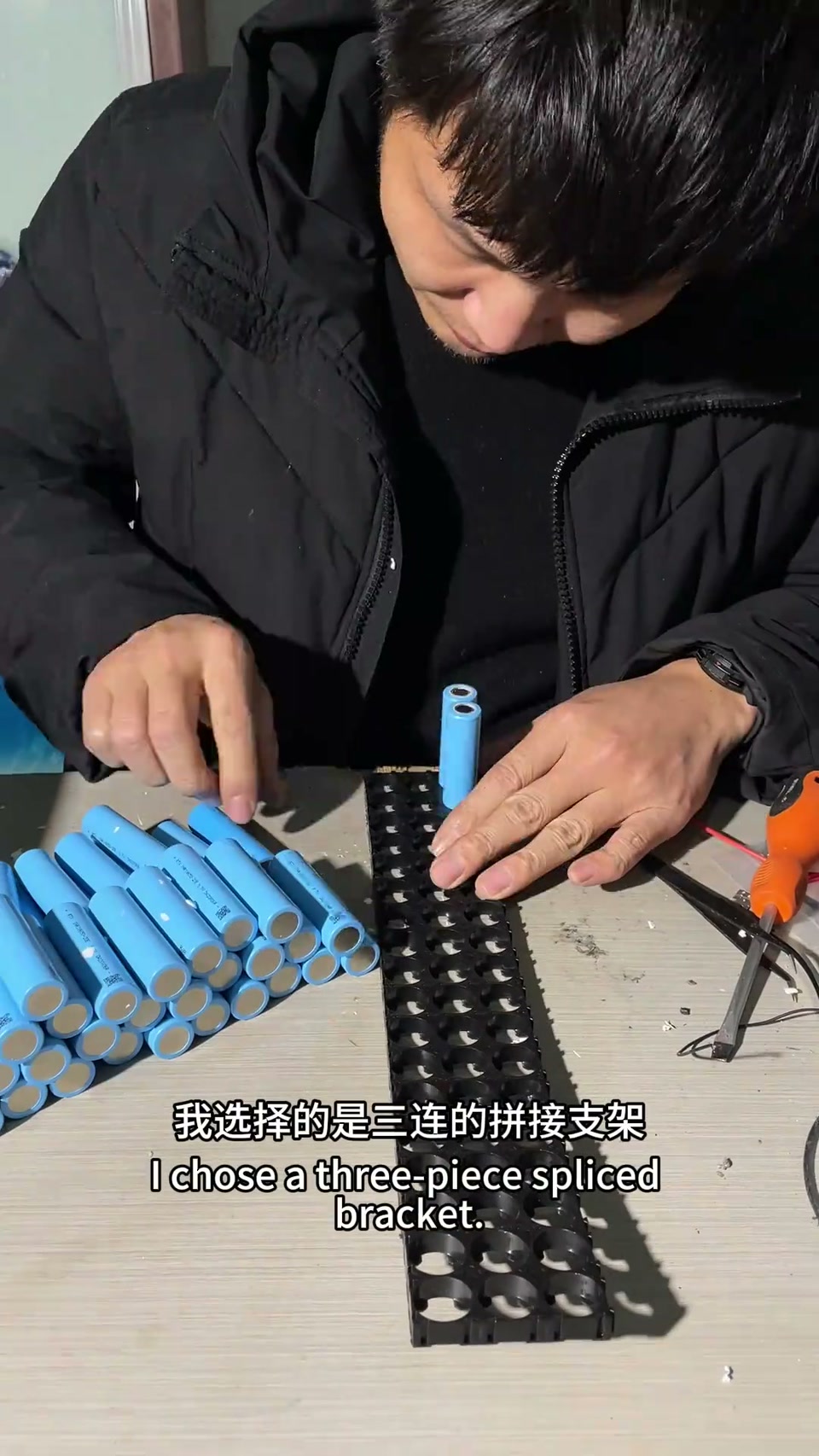
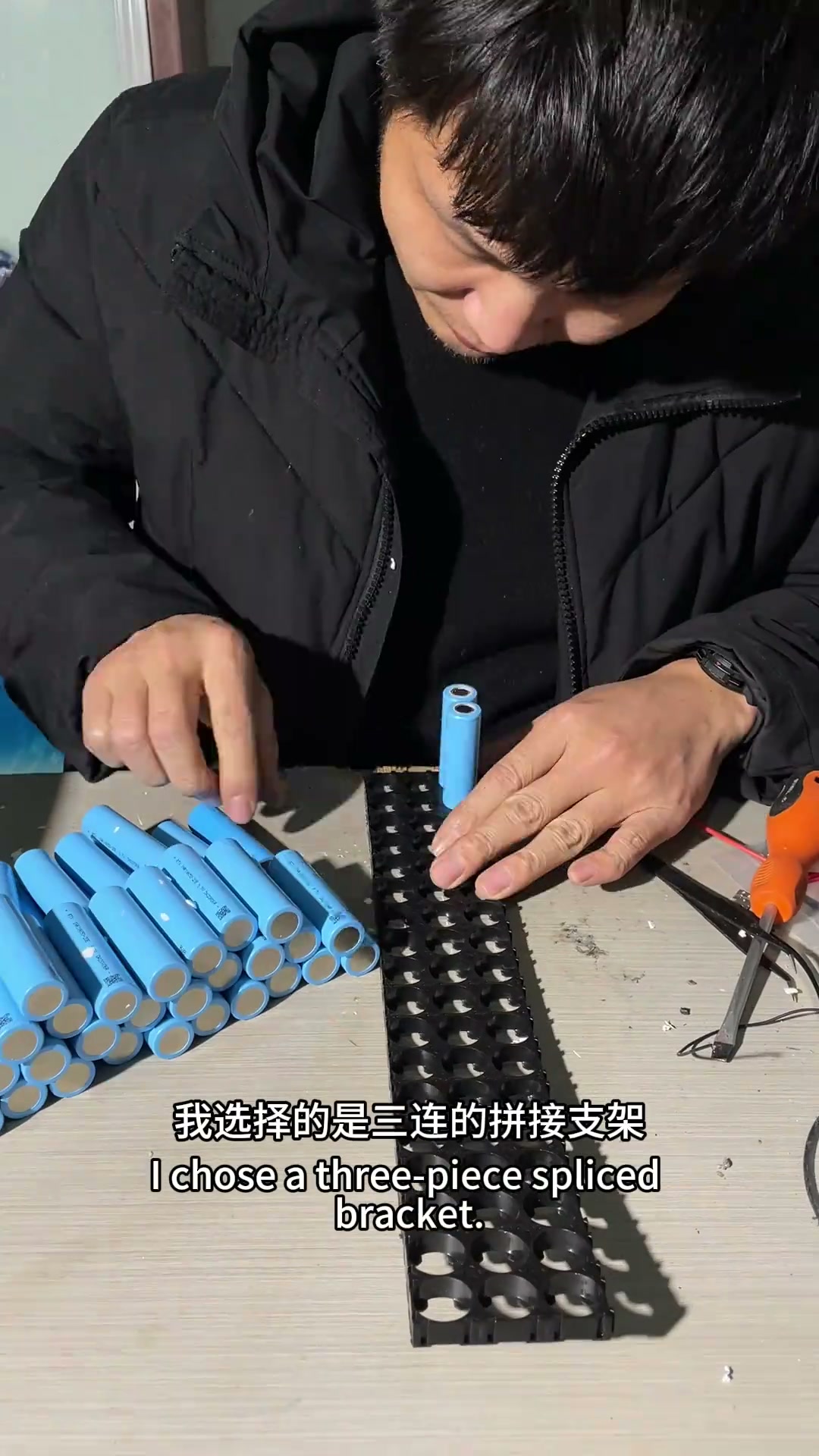
 Ep. 35 | How handy is carrying 220V mains power outdoors? A homemade multi-function portable power station that can cook rice and run a hot pot on its own batteryProjectsRural Abiao


